Rainy Elephant Embroidery Design Review
As I set up my table for the upcoming weekend craft fair, I am surrounded by stacks of tote bags, aprons, and tea towels waiting to be transformed. The difference between a booth that draws a crowd and one that gets overlooked often comes down to the specific machine embroidery design chosen for the season. Today, I am putting the Rainy Elephant Embroidery Design under the microscope. This piece falls squarely into the Baby Animals category, promising sweetness and charm. But does it translate from a digital file into a profitable craft fair product? Let's dive into the practicalities of turning this embroidery file into a best-seller.
First Impressions: Mood and Market Fit
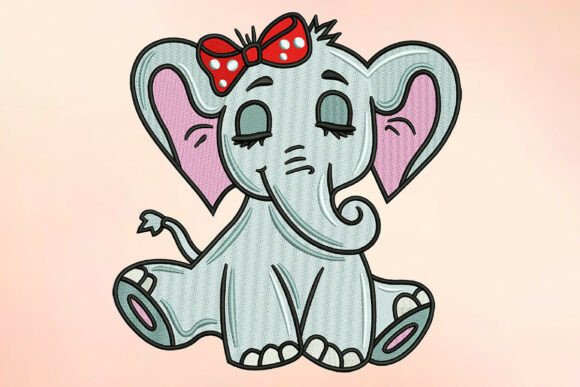
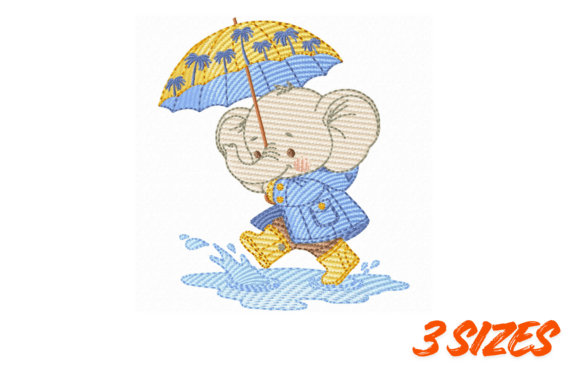
When I first loaded the preview of the Rainy Elephant Embroidery Design, the immediate feeling was one of soft nostalgia mixed with modern whimsy. It is not just a generic animal; the addition of rain elements suggests a gentle, comforting theme perfect for nursery decor or calming gifts. For an Etsy seller or boutique maker, this aesthetic hits a sweet spot. It feels less like a loud statement and more like a subtle nod to nature, which is currently trending in the handmade market.
The design exudes a "soft" and "decorative" vibe rather than being bold or rustic. This makes it incredibly versatile. It can fit into a farmhouse-style nursery collection or a minimalist baby shower gift line. However, its success relies heavily on execution. A cute concept can easily look cluttered if the stitch density is too high or if the thread colors clash. My goal is to ensure the final finished product retains that adorable quality without looking messy or overworked.
Product Performance: Where Does It Shine?
In preparing my booth display, I have selected several items to test the versatility of the Rainy Elephant Embroidery Design. Here is how I expect it to perform across different mediums:
- Tote Bags and Market Bags: This is likely where the design will sell best. On a sturdy cotton canvas tote, the elephant can serve as a large focal point. The contrast of the rainy sky elements against a neutral bag color creates an instant visual hook for passersby.
- Tea Towel Embroidery: Kitchen linens are a staple for craft fairs. The tea towel embroidery application works well here because the texture of the fabric adds depth to the stitches. Just be careful with the weave; if the towel is too thick, the tiny details of the rain might get lost.
- Apron Embroidery: Placing the design on the bib of an apron offers a unique selling point. It turns a utilitarian item into a personalized gift. The scale needs to be adjusted so it doesn't overwhelm the wearer but remains visible from a distance.
- Embroidered Patch: Creating patches allows for lower price points, which is great for impulse buys at a market. The Rainy Elephant Embroidery Design has enough definition to work as a patch, provided the backing stabilizer is robust enough to hold the shape.
- Pillow Covers and Nursery Decor: These are higher-ticket items. The design's gentle nature fits perfectly here. It elevates a simple pillow cover into a curated home decor piece, increasing the perceived value of your handmade product.
Practical Selling Points and Visual Appeal
One of the most critical aspects of any commercial embroidery project is how quickly a customer understands the image. The Rainy Elephant Embroidery Design scores high on recognizability. Even from a few feet away, the silhouette of the elephant is clear. This is vital for booth displays where customers are scanning tables rapidly.
For online sales, photography is key. This design photographs beautifully because the rain elements add texture and movement that flat designs lack. When creating a printable mockup for your shop listing, the interplay of light on the thread will highlight the craftsmanship. This visual appeal directly impacts buyer engagement. Customers perceive higher quality when they see intricate details like raindrops rendered in thread, which justifies a higher price point compared to a simple print.
Furthermore, this design supports brand consistency. If you are building a line of nature-themed baby products, the Rainy Elephant Embroidery Design acts as a cohesive element. It ties together various items, making your booth or shop look professional and curated rather than random.
Production Challenges and Careful Use Notes
While the design is promising, there are technical hurdles to navigate before mass production. As a designer, I must warn about the potential pitfalls of dense stitch areas. The rain elements, while cute, can create a cluster of stitches that may cause puckering on lighter fabrics. Always check the stitch density settings in your software.
Here are specific notes for production:
- Fabric Texture Matters: Avoid using this design on highly textured or looped fabrics unless you want a distressed look. The loops can hide the fine details of the rain, making the design look muddy.
- Curved Surfaces: If you plan to use this on caps, be cautious. The curved surface of a cap can distort the straight lines of the rain. You may need to adjust the digitizing to account for the curve.
- Dark Fabrics: While dark backgrounds make colors pop, they require more layers of stitching to cover the fabric completely. Ensure your digital embroidery file includes sufficient underlay stitches to prevent the background fabric from showing through the white or light-colored threads.
- Small Sizes: Do not shrink this design below a certain size. Tiny lettering or minute raindrop details will become indistinguishable blobs if scaled down too much for small pouches or tags.
Designer Checklist for Success
Before you commit to a batch of products, follow these steps to ensure the Rainy Elephant Embroidery Design performs flawlessly:
- Test on Scrap Fabric: Never skip this step. Run the design on the exact fabric you intend to sell. Check for puckering, thread breaks, and registration issues.
- Check Thread Contrast: Experiment with different thread colors. A pastel palette might feel too washed out on beige, while a vibrant blue could be too harsh. Find the balance that enhances the "sweetness" of the design.
- Confirm Hoop Size: Verify that the design fits within your standard hoop sizes to minimize re-hooping time during production runs. Efficiency is money in a small shop product business.
- Use the Right Stabilizer: For items like aprons or heavy tees, a cut-away stabilizer is essential to maintain the integrity of the design over washes. For delicate nursery items, a tear-away might suffice.
- Create Real Mockups: Don't rely solely on digital previews. Embroider one sample of each product type to photograph for your listings. Real photos build trust.
- Verify Licensing: Before selling finished goods, confirm the commercial licensing terms of the embroidery file. Ensure you are permitted to sell the physical items created with the design assets.
Final Verdict for Craft Entrepreneurs
The Rainy Elephant Embroidery Design is a strong contender for your next collection, particularly for those targeting parents, new moms, and lovers of cute animal motifs. Its ability to bridge the gap between nursery decor and general home goods makes it a flexible asset for any creative entrepreneur. By paying attention to fabric choice, stabilizer usage, and scale, you can turn this digital file into a standout craft fair product that customers will reach for.
Remember, the magic isn't just in the design itself, but in how you present it. With the right materials and a keen eye for detail, this Embroidery pattern can become the signature item that defines your booth or shop this season. Happy stitching!