Red Lobster Embroidery Design Review
As an experienced embroidery designer preparing for the upcoming weekend craft fair, I am constantly evaluating new digital assets to see which ones will translate into bestsellers on my booth table. Today, I am putting the Red Lobster Embroidery Design under the microscope. In the world of handmade products, a design is only as good as its ability to catch a customer's eye from three feet away and justify the price tag when they hold it in their hands. This review focuses on how this specific Fish category design performs in real-world production scenarios for craft fair sellers, Etsy shop owners, and boutique makers.
First Impressions: Boldness Meets Nostalgia
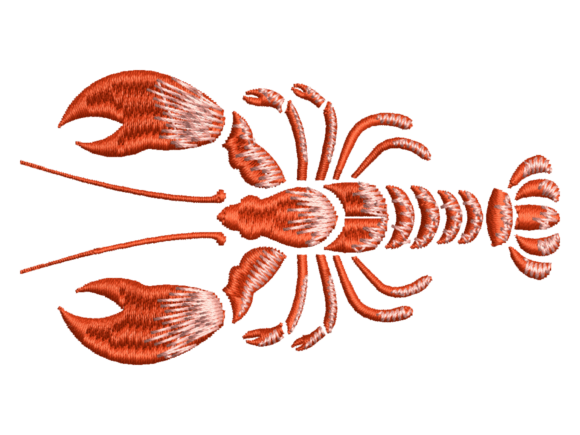
When I first opened the preview for the Red Lobster Embroidery Design, the immediate reaction was one of bold recognition. Unlike subtle nature motifs that can get lost in a crowded market display, a lobster theme carries inherent visual weight. It feels festive, slightly rustic, and undeniably playful. For a craft fair product, this is a strong starting point. The design suggests a "coastal cottage" or "seafood shack" vibe, which appeals to a wide demographic looking for fun, giftable items. However, the success of this machine embroidery design hinges entirely on execution. A red lobster can look premium and charming or cheap and cluttered depending on the stitch density and thread colors chosen.
For the Etsy seller or small shop product creator, this design offers a clear narrative. It is not just a random animal; it implies summer, beach days, and family dinners. This emotional connection is what drives sales. When displayed alongside other kitchen textiles, the Red Lobster Embroidery Design stands out as a focal point rather than background noise. It has the potential to be a hero product for your booth if paired correctly with the right fabric textures.
Product Performance: Where Does It Shine?
To determine the viability of this digital embroidery file, I evaluated how it would look across various substrates commonly found at handmade markets. The versatility of the Red Lobster Embroidery Design is its greatest asset, but it requires strategic placement.
- Tote Bag Design: A large-scale application on a canvas tote bag works exceptionally well. The sturdy fabric supports the weight of the stitches, and the bright red of the lobster contrasts beautifully against natural beige or white canvas. This is a high-visibility item that customers often grab off the rack immediately.
- Apron Embroidery: Placing the design on the bib of a heavy-duty cotton apron creates a statement piece for home cooks. It transforms a utilitarian item into a personality-driven gift. The durability of the apron fabric ensures the embroidery holds up over time.
- Tea Towel Embroidery: This is where caution is needed. While tea towels are popular, the looped texture of terry cloth can sometimes swallow fine details. If the Red Lobster Embroidery Design includes tiny claws or antennae, they may blur on a thick towel unless the hoop size and stabilizer are perfectly matched.
- Embroidered Patch: Creating a detachable patch allows for maximum flexibility. Customers can sew these onto denim jackets, backpacks, or hats. Patches also allow you to use a dense backing that prevents puckering, ensuring a crisp finish.
- Caps and Small Pouches: Curved surfaces like caps require careful digitizing. The lobsters' legs must follow the curve without distorting. For small pouches, the design acts as a perfect accent, provided the scale is reduced without losing clarity.
Production Realities: Stitch Density and Fabric Texture
Before committing to batch production for a weekend market, every professional must address the technical constraints. The Red Lobster Embroidery Design likely features complex curves and potentially dense areas to represent the shell texture. High stitch density in red thread can lead to stiffness, especially on lighter fabrics like pillow covers or thin tote bags. I always advise testing the design on scrap fabric first. If the back of the design looks messy or the front appears puckered, the design needs adjustment before it becomes a finished product.
Fabric texture plays a critical role here. On smooth quilting cotton, the details of the lobster will pop. On textured towels or fleece, those same details might disappear. As a commercial embroidery business owner, I recommend using a high-quality stabilizer to cut through the fabric grain. Without proper stabilization, the Red Lobster Embroidery Design could pull threads or distort, ruining the handmade quality you strive to maintain.
Furthermore, consider the thread colors. While the title suggests red, the supporting colors matter. Using gold or orange accents can elevate the design from simple to premium. Conversely, too many colors can increase production time and cost, eating into your profit margins for each handmade product sold at the fair.
Visual Appeal and Booth Display Strategy
In a physical craft fair setting, lighting and arrangement dictate sales. The Red Lobster Embroidery Design is vibrant enough to photograph well for online listings, creating attractive printable mockups for your Etsy store. However, in person, the sheen of the thread under market lights adds a layer of depth that photos cannot capture. To maximize buyer engagement, group these items together. A stack of embroidered tea towels next to matching patches creates a cohesive brand look that signals professionalism.
The design also affects perceived value. A well-executed lobster motif on a plain white cap instantly increases the retail price compared to a blank item. It signals effort and artistry. For the creative entrepreneur, this means the Red Lobster Embroidery Design can serve as a cornerstone for a seasonal collection, perhaps tied to summer themes or Father's Day gifts. Consistency in branding—using the same font for labels and the same color palette for packaging—will make your booth stand out among competitors.
Practical Designer Notes for Success
Before you download and produce, keep these critical points in mind. Since this is a digital product delivered in ZIP or RAR format with no physical item shipped, you are responsible for the final outcome. There are no returns or refunds for digital products, so due diligence is essential.
- Check Hoop Size: Ensure the design fits within your machine's capabilities. If the lobster is too large for your standard 5x7 hoop, you may need to resize, which risks losing detail.
- Test Run: Never skip the test run on a similar fabric to your intended product. Check for jump stitches, broken threads, and registration issues.
- Licensing: Confirm the commercial licensing terms included with the purchase. Ensure you are allowed to sell finished goods made with this embroidery file.
- Dark Fabrics: If applying to dark fabric, verify if the design includes a fill stitch backing (tattoo style) to prevent the fabric color from showing through the red thread.
- Small Details: Inspect the tiny claws and eyes. If they are smaller than 0.5 inches, they may not stitch cleanly on textured fabrics.
Ultimately, the Red Lobster Embroidery Design is a strong contender for the handmade market. It combines recognizable imagery with the charm of custom stitching. By understanding its limitations regarding fabric texture and stitch density, and by leveraging its bold aesthetic in your display, you can turn this digital file into a profitable line of craft fair products. Whether you are selling a single embroidered patch or a full collection of kitchen linens, the key lies in the quality of your execution and the confidence with which you present your work.