Wildflower Meadow Embroidery Design Review
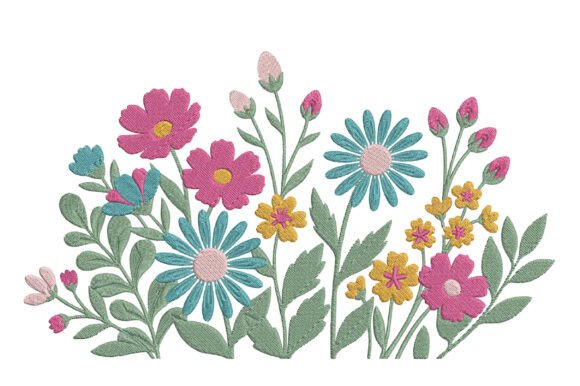
As a professional embroidery designer who has spent years translating digital files into tangible brand assets, I approach every new machine embroidery design with a critical eye. The question is never just "is it pretty?" but rather, "does this work for business?" Today, I am reviewing the Wildflower Meadow Embroidery design. This piece is categorized under Single Flowers and described as a beautiful spring flower arrangement featuring tulips and small daisy flowers. At first glance, it promises an elegant floral aesthetic perfect for clothing, tote bags, and pillow covers. However, when we strip away the decorative intent and look at its viability for small business merch, branded patches, and uniform detailing, several key factors come into play.
First Impressions: Brand Personality and Visual Tone
The immediate visual impact of the Wildflower Meadow Embroidery is one of organic charm. Unlike rigid, geometric logos often used in corporate settings, this design exudes a friendly, rustic, and handmade vibe. For boutique owners, florists, bakeries, or creative studios, this aesthetic aligns perfectly with brands that want to communicate warmth, nature, and artisanal quality. The combination of tulips and daisies creates a balanced composition that feels both classic and fresh.
In the context of brand identity, this design signals approachability. If your customer base values sustainability, local sourcing, or handcrafted goods, this floral arrangement serves as a powerful visual shorthand. It elevates the perceived value of a product simply by adding a touch of elegance. However, it is crucial to recognize that while it is "elegant," it is also distinctly "decorative." This distinction matters when deciding where to place the design on your merchandise. It works best as an accent or a primary logo for lifestyle brands, rather than for high-visibility safety gear or strictly industrial uniforms.
Real-World Applications for Small Business Merchandise
When evaluating the embroidery file for commercial use, I visualize how it translates across various substrates. One of the strongest use cases for Wildflower Meadow Embroidery is the creation of embroidered patches. Because the design features distinct flower shapes, it holds up well when backed with felt or twill. A patch made from this design can be sewn onto denim jackets, canvas tote bags, or even backpacks, offering a versatile branding tool that customers can customize themselves.
For staff uniforms, consider using this design as a chest logo accent or a sleeve detail on aprons. Apron embroidery is particularly effective for cafes and boutiques; a delicate cluster of tulips and daisies on the bib of a linen apron instantly softens the look of a workspace, making the staff appear more welcoming. Similarly, cap embroidery presents an opportunity. Placing a smaller version of this floral arrangement on the front panel of a baseball cap can serve as a subtle yet recognizable brand mark for field teams or event staff.
Beyond apparel, the description notes its suitability for tote bags and pillow covers. In a retail setting, a tote bag design featuring these flowers becomes a walking billboard. Customers carrying your branded tote bag through town increases visibility and reinforces your brand presence. Furthermore, for Etsy sellers and crafters, this design can be applied to finished products like throw pillows or garment accents, turning a standard item into a premium, branded good.
Critical Considerations for Production and Placement
While the design is visually appealing, experienced designers know that not all floral arrangements translate equally well to every surface. There are specific scenarios where Wildflower Meadow Embroidery requires careful handling to ensure a professional finish.
- Size Limitations: The description mentions "small daisy flowers." When scaling down this design for a tiny patch or a small cap logo, there is a risk of losing definition. Fine details in petals can get lost if the stitch count is too low or the area is too compressed. Always verify the minimum recommended size before committing to production.
- Fabric Texture: On highly textured fabrics like heavy corduroy or thick knits, the intricate lines of the tulips and daisies may struggle to sit flat. The stitch density needs to be managed carefully to prevent puckering, especially on stretch materials.
- Color Contrast: Since this is a floral design, relying solely on white thread on light fabric might result in poor visibility. You must test different thread colors to ensure the flowers pop against the background material. Dark uniforms will require significant color adjustments to maintain the design's elegance.
- Durability: Items that undergo frequent washing, such as work shirts or aprons, need a robust backing. Ensure you use the proper stabilizer to keep the design intact over time. Without adequate support, the edges of the petals could fray after repeated laundering.
Impact on Customer Trust and Product Value
Using a high-quality digital embroidery file like Wildflower Meadow Embroidery directly influences how customers perceive your brand. A crisp, well-executed floral design suggests attention to detail and care. In contrast, a poorly stitched logo with loose threads or misaligned colors can damage customer trust and make a business appear unprofessional.
When you apply this design to custom apparel or packaging accents, you are creating a tactile experience. Customers can feel the texture of the stitches, which adds a layer of authenticity that printed graphics cannot match. This tactile quality is essential for handmade brands and craft businesses aiming to differentiate themselves in a crowded market. The visual consistency provided by using the same design across caps, totes, and tags helps build brand recognition, making your business instantly identifiable.
Designer Notes: Best Practices for Implementation
Before integrating Wildflower Meadow Embroidery into your product line, follow these practical steps to ensure success:
- Test in Black and White: Start by running a test in a single dark color. This allows you to evaluate the shape and flow of the tulips and daisies without the distraction of multiple hues.
- Verify Hoop Size: Check the dimensions of the design against your machine's hoop capacity. If the design is too large, you may need to split it or resize it, which could affect the balance of the arrangement.
- Create a Printable Mockup: Before stitching on expensive inventory, generate a printable mockup to show clients or stakeholders. This ensures everyone agrees on the placement and scale.
- Check Licensing: As a business owner, always confirm the commercial licensing terms of the embroidery file. Ensure you have the right to use it for unlimited merchandise sales, including patches and apparel.
- Inspect Spacing and Density: Review the spacing between the flowers. If they are too close, the needle might miss, or the thread might bunch up. Adjust the stitch density if necessary to accommodate the specific fabric you are using.
Ultimately, the Wildflower Meadow Embroidery design offers a versatile and charming option for small businesses looking to infuse their merchandise with personality. Whether used as a branded patch, a cap design, or an accent on apron embroidery, its potential lies in its ability to blend natural beauty with professional execution. By following best practices and understanding the limitations of the design, you can leverage this floral arrangement to enhance your brand identity and create memorable finished products that resonate with your audience.