Dad Est. 2026 Machine Embroidery Design Review
As a designer who spends most of their day staring at hoops and thread charts, I approach every new machine embroidery design with a mix of excitement and skepticism. The market is flooded with generic text files that look great on a screen but fall apart under the needle. When I first opened the Dad Est. 2026 Machine Embroidery Design, I was looking for something specific: a clean, timeless aesthetic that could serve as a cornerstone for my upcoming Father's Day collection. This isn't just about stitching letters; it is about creating a finished product that feels premium and intentional.
The Varsity Aesthetic and First Impressions
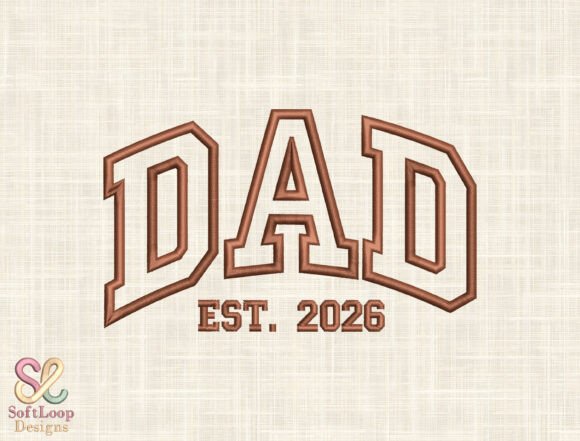
The moment you load this file into your digitizing software or previewer, the vibe is unmistakable. It leans heavily into that bold, arched varsity-style typography that has become a staple in modern streetwear and custom apparel. There is a certain nostalgia to the "Est." format, suggesting a legacy or a new beginning. For a new dad-to-be in 2026, this design captures a pivotal life chapter without being overly cheesy. The layout is balanced, and the arch creates a natural focal point that draws the eye upward, which is crucial when placing the design on curved surfaces like caps or the chest area of a sweatshirt.
Visually, the design relies on strong lines rather than intricate detailing. This is a smart choice for an embroidery project. In the world of machine stitching, less often means more. Complex curves and tiny serifs can get lost if the stitch density isn't perfect, but the blocky, confident font here suggests it will translate well from digital to physical. It feels like a design built for impact, suitable for both a quick personal gift and a high-volume run for a small shop.
Testing the Waters: A Real-World Scenario
To truly evaluate the Dad Est. 2026 Machine Embroidery Design, I imagined a specific use case: a limited-run batch of heavyweight cotton tote bags for a local boutique. These bags are meant to be durable, stylish, and giftable. I visualized placing the design in a contrasting navy blue thread on a cream-colored canvas. The varsity style pops beautifully against neutral backgrounds, giving the handmade product a collegiate, preppy feel that customers love.
I also considered how this would work on a personalized baby item, perhaps a onesie or a nursery pillow cover. The "Dad" theme combined with the year makes it a perfect keepsake. However, moving from a flat tote bag to a stretchy knit fabric requires a different mindset. On a onesie, the arch might distort slightly if the stabilizer isn't chosen correctly. This is where the practical judgment comes in. The design itself is robust, but the success of the finished product depends entirely on how you prepare the garment. If you are an Etsy seller or a craft business owner, you know that one bad stitch job can ruin a brand's reputation. This design gives you a solid foundation, but it demands respect for the materials you choose.
Navigating Fabric Challenges and Placement
While the machine embroidery design looks fantastic on paper, there are scenarios where you need to tread carefully. If you plan to use this on thin fabrics like linen shirts or delicate silk blends, the density of the fill stitch could cause puckering. The bold nature of the varsity font implies a heavier thread weight or a denser stitch count to maintain that crisp look. On dark fabrics, you will absolutely need a cutaway stabilizer to prevent the design from sinking into the fibers and losing its definition.
Another consideration is the hoop size. While the description doesn't specify exact dimensions, designs with wide arches often require a larger hoop to avoid distorting the curve during stitching. If you try to force this into a small 4x4 hoop, the arch might flatten, ruining the intended aesthetic. Always check the file specifications before committing to a custom apparel order. Additionally, if you are embroidering on a cap, the curvature of the brim can sometimes interfere with the bottom points of the arch. You may need to adjust the placement or even trim the bottom edge of the design in your software to ensure it sits flush on the hat panel.
Stitch Density and Thread Selection
When reviewing the potential stitch structure, I anticipate a mix of satin stitches for the outlines and fill stitches for the interior of the letters. The key to making this design sing is contrast. Using a metallic thread or a variegated yarn could add a unique touch, but for a classic look, a solid, high-quality polyester thread works best. The thread colors should complement the fabric texture without clashing. For example, a soft grey thread on a charcoal sweatshirt offers a subtle, tonal look that feels very high-end, whereas a bright red on white screams "classic varsity."
Be mindful of the running stitch elements if they are present in the underlay. Sometimes, designers use running stitches to secure the fabric, but on textured fabrics like fleece or terry cloth, these can snag. A thorough test on scrap fabric is non-negotiable. Run a few samples on the actual material you intend to sell. Check the back of the embroidery to ensure there are no loose threads or excessive backing showing through. This attention to detail separates a professional commercial embroidery operation from a hobbyist.
Business Value and Commercial Viability
For the creative entrepreneur, the Dad Est. 2026 Machine Embroidery Design offers significant value. It taps into the emotional resonance of fatherhood, a massive market around June for Father's Day but also relevant year-round for birthdays and baby showers. The design is versatile enough to be used on embroidered patches, which can then be sold as standalone items or sewn onto jackets and backpacks. This versatility allows you to expand your inventory without buying new equipment.
If you are selling digital products, this file is a strong asset. Crafters and DIY enthusiasts are always looking for trendy, timely designs they can download and stitch immediately. However, remember to verify the licensing terms. Can you sell the finished goods? Can you resell the file? As a professional, I always confirm the license before listing any design assets in my shop. Clear licensing builds trust with your customers and protects your business from legal headaches.
Final Designer Notes for Success
Before you hit the start button on your machine, take a moment to review the entire workflow. Test the design in black and white mockups to see how the contrast holds up. Compare how it looks on light versus dark backgrounds. Ensure your hoop size accommodates the full width of the arch without cutting off the edges. Most importantly, use the right stabilizer. A tear-away might suffice for a sturdy tote bag, but a washable cutaway is essential for clothing that will go through the laundry repeatedly.
The Dad Est. 2026 Machine Embroidery Design is a strong contender for your next project. It balances trendiness with timelessness, offering a clean look that appeals to a wide audience. Whether you are creating a personalized gift for a friend or building a line of small shop products, this design provides a reliable canvas for your creativity. Just remember that the magic happens not just in the file, but in the execution. With proper preparation and a keen eye for detail, this embroidery file can become a signature piece in your portfolio.