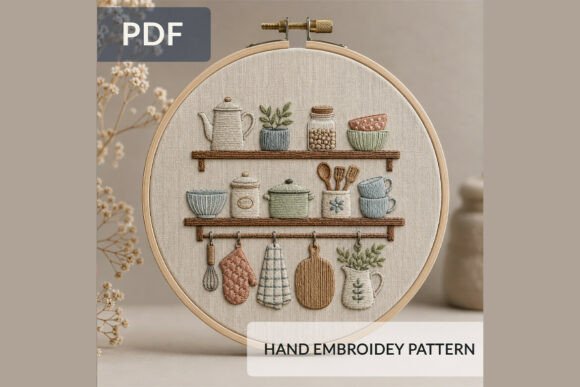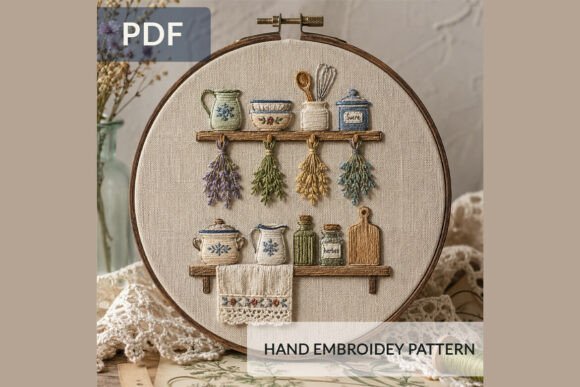
Houseplants Hand Embroidery Pattern Review
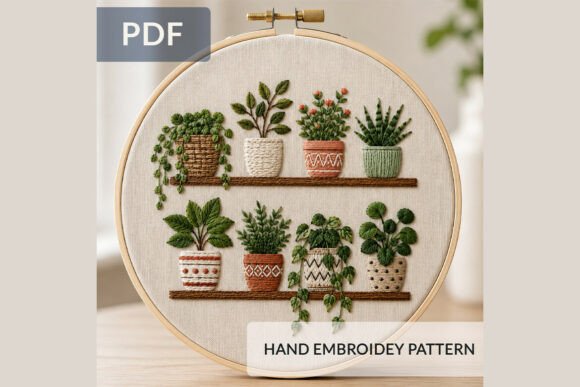
As a professional embroidery designer who has spent years translating digital concepts into tangible, stitched reality for small businesses, I approach every new Hand Embroidery Patterns release with a critical eye. My goal is never just to create something pretty; it is to ensure the design functions as a robust asset for brand identity and commercial viability. Today, I am reviewing the Houseplants Hand Embroidery Pattern, a digital file described as a cozy botanical project featuring aesthetic indoor plants, textured pots, trailing vines, and wooden shelves. While the description promises a beautiful, modern look, does it hold up under the scrutiny of a production environment? Let's dive into how this Graphics file performs when moved from a PDF preview to actual merchandise.
First Impressions: Visual Personality and Brand Fit
The first thing that strikes me about the Houseplants Hand Embroidery Pattern is its inherent warmth. In the world of corporate branding, where sterile logos often dominate, this design offers a refreshing departure. The combination of trailing vines and textured pots suggests a brand personality that is organic, grounded, and inviting. For a small business owner, boutique manager, or Etsy seller, this visual language speaks volumes. It feels handmade yet polished, rustic yet modern.
When I visualize this as a machine embroidery design, the potential for creating a distinct brand identity is high. The "aesthetic" nature of the plants implies clean lines and deliberate shading, which are crucial for maintaining clarity in stitching. Unlike overly complex floral arrangements that can turn into muddy blobs at small scales, the structured nature of houseplants on wooden shelves provides a natural grid. This makes the design exceptionally versatile for various applications, from apron embroidery for a trendy café staff to a chest logo accent for a creative studio's team shirts. It projects professionalism without sacrificing the friendly, approachable vibe that local businesses crave.
Performance in Real Business Scenarios
The true test of any digital embroidery file lies in its application across different mediums. I have evaluated how the Houseplants Hand Embroidery Pattern translates to specific product categories commonly requested by my clients.
- Embroidered Patches: This is perhaps the strongest use case for this pattern. The defined shapes of the pots and the linear flow of the vines make it ideal for cut-and-sew patches. A business could produce these in bulk and iron them onto denim jackets, tote bags, or backpacks, creating a cohesive line of small business merch that feels premium.
- Custom Apparel and Uniforms: For a florist or a pet brand, placing this design on the sleeve of a work shirt or the back pocket of an apron adds a touch of curated style. The "wooden shelves" element provides a nice grounding frame that prevents the design from looking too floaty on dark fabrics.
- Cap Embroidery: Here, we must be strategic. The full composition might be too wide for a standard six-panel cap front. However, isolating a single potted plant or a section of trailing vines creates a perfect, compact emblem. This works beautifully for promotional caps given away at events or worn by delivery drivers.
- Tote Bag Design: Large format embroidery on canvas totes is a staple for eco-conscious brands. The Houseplants Hand Embroidery Pattern fits this perfectly. The texture of the canvas mimics the "cozy" feel of the design, and the larger surface area allows for the intricate details of the leaves to shine without crowding.
- Product Packaging Accents: Beyond apparel, consider using this as a branded patch on gift boxes or woven labels attached to handmade products. It elevates the unboxing experience, signaling that the brand values quality and aesthetics.
In all these scenarios, the design serves as more than decoration; it becomes a functional part of the customer's interaction with the brand. It enhances the perceived value of the finished product and fosters a sense of community among customers who recognize the consistent visual motif.
Critical Considerations for Production
While the Houseplants Hand Embroidery Pattern is promising, a professional designer knows that not every design works everywhere. There are specific areas where caution is required to avoid production headaches and wasted materials.
Scale and Detail Retention
The description mentions "textured pots" and "trailing vines." In embroidery, texture is achieved through stitch density and thread direction. If you attempt to shrink this design down to a tiny 1-inch patch, those textures will likely merge into a solid mass. The delicate veins of the leaves may disappear entirely. Always check if the design works at your intended size before committing to a run. For cap embroidery or small collar accents, you may need to simplify the design or remove the background shelves to focus on the main subject.
Fabric Texture and Stabilization
This design features fine details that require a stable base. If you are embroidering this on a heavy knit sweater or a stretchy jersey, the fabric movement can distort the straight lines of the shelves and the curves of the pots. You must use the appropriate stabilizer. For textured fabrics like denim or canvas, a tear-away stabilizer might suffice, but for knits used in custom apparel, a cut-away stabilizer is essential to maintain the shape of the vines over time and washing.
Color Contrast and Thread Selection
The "modern" aesthetic relies heavily on color choice. If you are applying this to a dark uniform, ensure the thread colors provide sufficient contrast. Light greens on black fabric can sometimes look dull unless paired with bright highlights. Conversely, on light-colored tote bag design projects, you must ensure the outlines are thick enough to define the shapes against the white background. Always review your thread colors against the fabric swatch before digitizing or stitching the final piece.
Impact on Brand Identity and Customer Trust
Using a cohesive design like the Houseplants Hand Embroidery Pattern across multiple touchpoints builds visual consistency. When a customer sees the same botanical motif on your staff's aprons, your shipping totes, and your event merchandise, it reinforces brand recognition. It signals that your business is intentional and detail-oriented.
Furthermore, embroidery inherently carries a connotation of durability and quality. Unlike screen printing, which can crack or fade, high-quality commercial embroidery lasts for years. By choosing this design for your merchandise, you are telling your customers that you invest in longevity. This builds trust and encourages repeat business. For handmade brands, the "hand-embroidered" look of the pattern aligns perfectly with the narrative of craftsmanship, making the handmade product feel even more authentic.
Practical Designer Notes for Implementation
If you decide to integrate the Houseplants Hand Embroidery Pattern into your business assets, follow these steps to ensure success:
- Test in Black and White: Before buying thread, stitch a sample in a single color. This reveals if the spacing between the vines and pots is adequate. If the stitches overlap or leave large gaps, the design needs adjustment.
- Verify Hoop Size: Confirm the dimensions of the PDF file against your machine's hoop capabilities. If the design is larger than your hoop, you will need to split the file, which can affect the alignment of the shelves and plants.
- Create a Mockup: Generate a printable mockup showing the design on your actual products. Show this to your client or stakeholders for approval. It saves money on failed test runs.
- Check Licensing: Ensure you have the correct commercial license for your specific use case. Whether you are selling the embroidered items directly or offering them as a service, confirm that the design assets permit unlimited production.
- Compare Assets: Place the Houseplants Hand Embroidery Pattern next to other elements of your brand kit. Does the style match your logo? Is the font weight compatible? Consistency is key.
In conclusion, the Houseplants Hand Embroidery Pattern is a strong contender for businesses looking to infuse their brand with life and texture. It bridges the gap between decorative art and functional branding. By respecting its limitations regarding scale and fabric, and leveraging its strengths in patch and apparel design, you can create a line of merchandise that is both visually stunning and commercially effective. As always, test thoroughly, stabilize properly, and let the threads tell your brand's story.