Vintage Kitchen Embroidery Pattern 2 Review
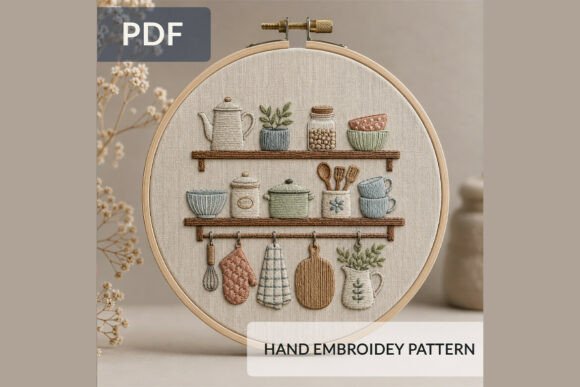
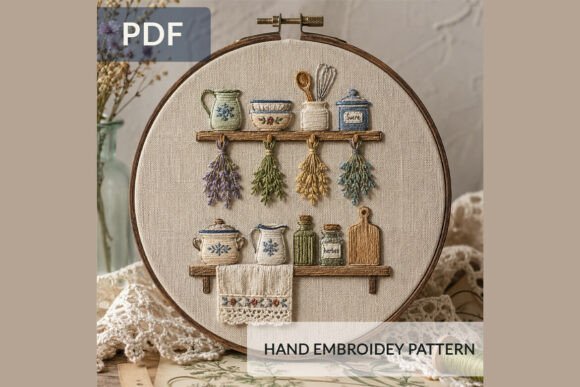
As an experienced embroidery designer who has spent countless weekends setting up booths at local craft fairs and managing a thriving handmade shop, I know that not every design translates well from the screen to the sales table. Today, I am reviewing Vintage Kitchen Embroidery Pattern 2, a digital file promising rustic charm with its "Rustic Herb Shelf Hoop Art" theme. Before I commit hours of machine time or hand stitching to this pattern for my upcoming market season, I need to determine if it is a genuine money-maker or just another pretty graphic that won't sell.
First Impressions: The Cottage Core Aesthetic
When I first opened the preview for Vintage Kitchen Embroidery Pattern 2, the vibe was immediately clear. It leans heavily into the farmhouse and cottagecore aesthetic that continues to dominate the home decor market. The imagery of a rustic wooden shelf filled with herbs suggests warmth, nostalgia, and a love for cooking. For a craft fair product, this is a strong starting point because it appeals directly to customers looking to add cozy character to their kitchens.
However, as a professional, I look beyond the mood. Does it feel premium? Yes, the composition appears balanced, avoiding the cluttered look that plagues many amateur designs. But does it stand out in a sea of floral hoops? That depends on execution. The design feels soft and decorative rather than bold or modern, which means it will perform best on natural fibers like linen and cotton where the texture complements the vintage theme.
Product Potential: Where This Design Sells Best
The versatility of a digital embroidery file is key to a successful small shop product line. Let's break down how Vintage Kitchen Embroidery Pattern 2 performs across different applications:
- Tea Towel Embroidery: This is arguably the strongest application. The rustic herb motif fits perfectly on a kitchen towel. When stitched in earthy thread colors on a cream or oatmeal linen towel, it creates an instant finished product that looks high-end yet approachable.
- Tote Bag Design: While popular, tote bags can be tricky. If the design is too wide, it might get lost when the bag is folded or carried. However, as a central focal point on a sturdy canvas tote, it works well as a statement piece for eco-conscious shoppers.
- Apron Embroidery: Placing this design on the bib of a simple apron adds immediate value. It transforms a basic utility item into a giftable handmade product. The "kitchen" theme makes the context perfect.
- Embroidered Patch: For those who prefer selling accessories, turning this into an embroidered patch allows for use on denim jackets, caps, or backpacks. It expands your customer base beyond just home decorators.
- Pillow Covers and Market Bags: These are excellent for batch production. A set of pillow covers featuring this pattern can create a cohesive booth display that draws the eye from across the room.
Visual Appeal and Customer Engagement
In a crowded craft fair environment, visual appeal dictates foot traffic. Vintage Kitchen Embroidery Pattern 2 excels at creating a warm, inviting atmosphere. Customers browsing for handmade goods often seek items that tell a story. The image of herbs on a shelf evokes memories of family kitchens and slow living.
For online listings, such as on Etsy, this design photographs beautifully. The intricate details of the herbs and wood grain (if rendered well) catch the light in photos, making the listing pop. A well-crafted printable mockup using this design can significantly increase click-through rates. However, remember that what looks good on a screen must look good in person. The stitch density and thread choice will make or break the perceived quality.
Practical Production Notes for Makers
Before you start mass-producing, there are critical technical aspects to consider. As a designer, I always advise testing the design on scrap fabric first. Here is what to watch for with this specific pattern:
- Stitch Density: Check the areas representing the wooden shelf and leaves. High density can cause puckering on thin fabrics like tea towels. You may need to adjust the stabilizer or reduce density in the software.
- Fabric Texture: Textured towels can sometimes obscure fine details. Ensure the design is large enough that the stitches don't get lost in the weave of the fabric.
- Thread Colors: To maintain the "rustic" feel, avoid neon or overly bright threads. Stick to muted greens, browns, and creams. The contrast between the thread and the background fabric is crucial for readability.
- Hoop Size: Confirm the hoop size required by the file. If the design is meant for a 6-inch hoop but you want to put it on a large pillow, ensure the scaling doesn't distort the aspect ratio.
- Small Lettering: If the pattern includes any text labels for the herbs, check the legibility at smaller sizes. Tiny lettering often gets lost in the stitching process.
Curved Surfaces and Caps
If you plan to apply this design to caps, be cautious. Curved surfaces can distort rectangular or wide designs like a shelf. The perspective might look odd unless the design is specifically engineered for cap brims. For now, I would recommend focusing on flat surfaces like aprons and towels for the best results.
Licensing and Commercial Use
As a creative entrepreneur, protecting your business is non-negotiable. Always confirm the commercial licensing terms before selling finished products. Just because you purchased the Vintage Kitchen Embroidery Pattern PDF does not automatically grant you the right to sell unlimited items. Some licenses restrict the number of physical items you can sell or require attribution. Read the terms carefully to avoid legal issues that could shut down your Etsy shop or craft fair stall.
Final Verdict for Craft Fair Sellers
Vintage Kitchen Embroidery Pattern 2 is a solid addition to a portfolio focused on home goods and rustic decor. It hits the right emotional notes for buyers looking for cozy, cottage-style items. Its strength lies in its ability to elevate simple materials like linen and canvas into premium-looking gifts.
For the savvy maker, the key is in the details. Use high-quality stabilizers, choose complementary thread colors, and test on your actual fabric before committing to a full run. If executed correctly, this design has the potential to become a best-seller in your booth, driving engagement and boosting your brand consistency. Whether you are a Cricut crafter exploring embroidery or a seasoned machine embroiderer, this pattern offers a reliable path to creating valuable, market-ready handmade products.